Product Collections
-
Collections
Walcot FurnitureElegance reimagined
 Faber FurnitureThe art of colour
 Hampton FurnitureEnduring bathroom design
 Widcombe FurnitureTimeless bathroom design
-
Bathroom Furniture
Bathroom Furniture Types
- Cloakroom Bathroom Furniture
- Freestanding Furniture
- Wall Hung Vanity Units
- Double Vanity Units
- Back to Wall WC Units
- Tall Bathroom Cabinets
- Furniture Handles
Scheme FlutedAdd depth & interest to your design
-
Baths
Bathtub Types
- Freestanding Baths
- Roll Top Baths
- Slipper Baths
- Single Ended Baths
- Double Ended Baths
- Back to Wall Baths
- Corner Baths
- Fitted Baths
- Shower Over Baths
Widcombe BathsA classically inspired collection of baths
-
Basins & WCs
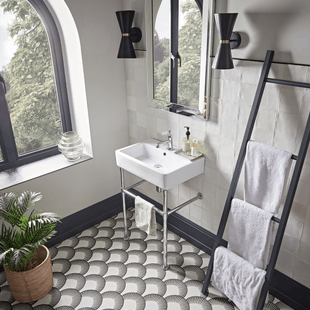
WC & Toilet Types Flushing Options Cisterns & Frames Wastes, Bottle Traps & Cover Caps Contactless FlushingBasin & WC StyleswashstandsA nod to the past, being both classically styled & elegant.
-
Taps
TAP TYPESTap Styles TAP FINISHESFEATURED PRODUCTDiscover Storm-Nova a sleek, contemporary design available in three finishes

-
Showers
Shower StylesVIEW NOWDownload our dedicated showers brochure

-
Lighting
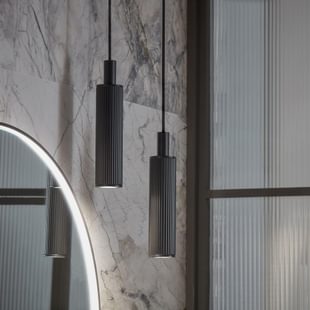
Smart Lighting SolutionsLIGHTINGSee your bathroom in a new light
-
Mirrors
Mirror Styles
- Round Bathroom Mirrors
- Pill & Oval Bathroom Mirrors
- Square & Rectangle Bathroom Mirrors
- Small Bathroom Mirrors
- Traditional Bathroom Mirrors
- Arch Bathroom Mirrors
New InExplore the Loop collection of illuminated mirrors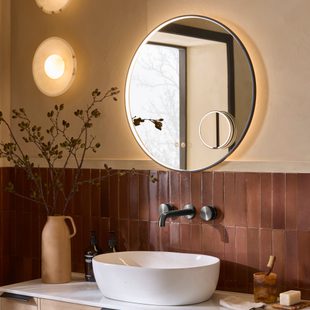
-
Cabinets
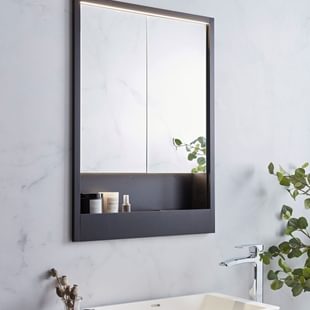
Cabinet TypesNEW INExplore our extensive range of illuminated cabinets.
-
Accessories
featured rangeChoose Capital for a bold take on a modern accessories collection

-
Guides & Ideas
Bathroom Design GuideYour complete bathroom design & planning guide
 Bathroom RenovationsReal life inspiration
 The Trend GuideDiscover the bathroom trends for 2026
-
 Book a design appointment Arrange a design consultancy with one of our stockists.
 -
 View Brochures Browse our latest selection of brochures.
 -
 Order a swatch Get three free furniture colours swatches.
 -
Find a Stockist Find your nearest Roper Rhodes stockist.
-
Our Guarantees View or download our detailed guarantee information.
About Us
Get in touch


-
Walcot FurnitureElegance reimagined
Faber FurnitureThe art of colour
Hampton FurnitureEnduring bathroom design
Widcombe FurnitureTimeless bathroom design
-
Bathroom Furniture Types
- Cloakroom Bathroom Furniture
- Freestanding Furniture
- Wall Hung Vanity Units
- Double Vanity Units
- Back to Wall WC Units
- Tall Bathroom Cabinets
- Furniture Handles
Scheme FlutedAdd depth & interest to your design
-
Bathtub Types
- Freestanding Baths
- Roll Top Baths
- Slipper Baths
- Single Ended Baths
- Double Ended Baths
- Back to Wall Baths
- Corner Baths
- Fitted Baths
- Shower Over Baths
Widcombe BathsA classically inspired collection of baths
-
WC & Toilet Types Flushing Options Cisterns & Frames Wastes, Bottle Traps & Cover Caps Contactless FlushingBasin & WC StyleswashstandsA nod to the past, being both classically styled & elegant.
-
TAP TYPESTap Styles TAP FINISHESFEATURED PRODUCTDiscover Storm-Nova a sleek, contemporary design available in three finishes
-
Shower StylesVIEW NOWDownload our dedicated showers brochure
-
Smart Lighting SolutionsLIGHTINGSee your bathroom in a new light
-
Mirror Styles
- Round Bathroom Mirrors
- Pill & Oval Bathroom Mirrors
- Square & Rectangle Bathroom Mirrors
- Small Bathroom Mirrors
- Traditional Bathroom Mirrors
- Arch Bathroom Mirrors
New InExplore the Loop collection of illuminated mirrors
-
Cabinet TypesNEW INExplore our extensive range of illuminated cabinets.
-
featured rangeChoose Capital for a bold take on a modern accessories collection
-
Bathroom Design GuideYour complete bathroom design & planning guide
Bathroom RenovationsReal life inspiration
The Trend GuideDiscover the bathroom trends for 2026

Style Meets Safety: Why IP Ratings Matter in Your Dream Bathroom
When you’re choosing electrical fixtures for your bathroom, understanding IP ratings is essential to ensure every mirror or light is correctly specified for its environment. Seeing an IP rating on a product specification indicates that rigorous testing has been conducted, to guarantee ingress protection against both solid objects and moisture.
Whether you are looking to completely renovate a bathroom or build a luxury bathroom from scratch, understanding what IP ratings mean ensures your design is visually stunning, compliant with UK safety regulations, and made to last.
Ingress Protection Rating Explained: What Do the Digits Mean?
To understand IP ratings meaning, it helps to break down the Ingress Protection Rating, an international protection rating for electrical enclosures defined by the International Electrotechnical Commission 60529 standard and used to show the degrees of protection an enclosure offers. The letters IP stand for ingress protection, and the IP code is the protection rating shown on product specifications to indicate the protection provided against solid foreign objects, water, and access to hazardous parts.
An IP rating consists of two distinct digits:
- First Digit (Solid Ingress): Indicates the protection level against foreign bodies, dust and accidental contact with electrical components or other internal components. It also helps prevent harmful ingress and includes checks such as whether a wire can reach live parts.
- Second Digit (Liquid Ingress): Indicates liquid ingress protection and water resistance against conditions ranging from vertically dripping water to jets from any direction and even powerful jets; in some cases, a supplementary letter adds detail, such as protection from close range high pressure cleaning or high temperature spray downs.


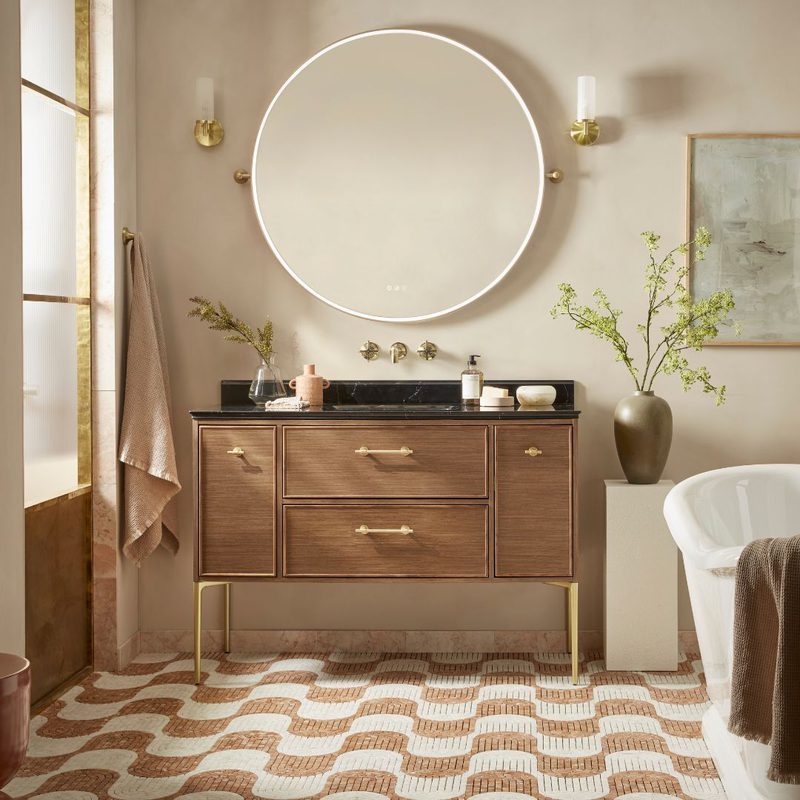

IP44 Rating Breakdown: Understanding the First Digit
When evaluating the IP rating IP44, the two digits in the IP code show the protection level for enclosure access and moisture resistance. The first '4' means the component is protected against solid particles larger than 1mm in size, including solid foreign objects such as small tools, foreign bodies, and thick wires, while also reducing the risk of accidental contact with hazardous parts. The second '4' guarantees protection against water splashing against the enclosure from any direction, including protection from vertically dripping water and similar spray conditions rather than jets from any direction.
- First digit rating 0 to 6 specify solid object protection levels against solid foreign objects and accidental access to hazardous parts.
- Second digit ratings 0 to 9 specify liquid ingress protection and water resistance.
An 'X' in either position means that type of protection was not tested under the specified test, such as wire touching hazardous parts.
IP ratings are defined by IEC 60529. EN 60529 defines these degrees of protection. Tests are performed in controlled laboratory conditions, in the product’s intended position, where applicable.

Bathroom Building & Safety Zones
During bathroom building or refurbishment, UK wiring regulations (BS 7671) designate specific electrical zones based on proximity to water sources, and the typical minimum requirements for indoor accessories usually start at IP44. In this rating, the first “4” means protection against solid foreign objects larger than 1 mm and against access to hazardous parts with tools or thick wires, so it addresses foreign bodies rather than fine dust. The second “4” means protection against water splashing from various angles, not just vertically dripping water, which helps prevent electrical faults and maintain safety compliance.
Understanding the 3 Main Bathroom Zones and Their Ingress Protection Requirements
- Zone 0: The area inside the bath or shower tray itself. Any fixture used here must be low-voltage and carry at least an IP67 rating (suitable for full immersion), one of the waterproof IP ratings used where maximum water resistance is needed.
- Zone 1: The area directly above the bath or shower up to a height of 2.25m from the floor. Fixtures here require a minimum of IP44, though an IP65 rating is often recommended if water jets are present; these zone rules set the typical minimum requirements for bathroom electrical fittings.
- Zone 2: The area 0.6m outside the perimeter of the bath or shower, and above Zone 1 up to 2.25m. Fixtures installed in Zone 2 must carry a minimum of an IP44 rating.
- Outside Zones: Any space outside Zones 0, 1, and 2 where no direct water spray is anticipated. While standard domestic fittings are technically permitted here, choosing an IP44 rating offers invaluable peace of mind against steam and condensation.


Technical Comparison: IP44 vs IP65 vs IP55 Water Resistance
Depending on the area of the bathroom, there may be a need to get a rating higher than IP44. These common IP ratings indicate suitability for more direct streams of water, and IP65, IP66, and IP67 are commonly treated as waterproof ratings in bathroom product guidance.
Rating |
Solid Protection |
Liquid Protection |
Typical Application |
IP44 |
Objects > 1mm |
Splashing water from all directions |
Vanity mirrors, cabinet lighting, wall sconces (Zone 2) |
IP55 |
Limited dust ingress |
Low-pressure water jets from any angle |
Enclosed shower cubicles, wetroom storage |
IP65 |
Dust-tight |
Direct water jets and heavy spray; with IP66, both offer the same solid ingress protection, but IP66 handles stronger spray better |
Above shower heads, steam rooms (Zone 1), and similar IP rated enclosures |
IP67 |
Dust-tight |
Temporary immersion in water, typically up to 1 meter for 30 minutes |
Areas needing complete protection from dust with brief immersion resistance (Zone 0) |
Roper Rhodes Product Testing Standards
Every illuminated mirror and cabinet range—such as our Faber collection featuring backlit ambient LED lighting, integrated demist pads and infrared motion sensors—is engineered specifically for Zone 2 installation, where moisture can reach internal components and electrical components and cause corrosion or short circuits. As with common consumer electronics, buyers often use IP ratings to compare protection levels.
The protection claim is verified by a specified test, with each unit assessed in its intended position. For spray exposure, a calibrated spray nozzle or test nozzle is used during the water test to confirm resistance under a set test duration and minimum water volume.
Further tests taken as part of our process include;
- Switch interfaces are cycle-tested over 100,000 times
- Shelves are tested to hold at least 10kg for an hour (glass) or a week (timber)
- Cabinets undergo impact resistance testing


Financial Considerations: ROI and Property Valuation
When planning a renovation, homeowners frequently balance aesthetic upgrades against budget constraints. A common question during planning is: how much will a new bathroom add to the value of a home?
Although calculating this isn’t an exact science, it is fairly straightforward to look at the potential issues that may arise from not installing devices with the correct rating. Voiding insurance, failing a survey or long term moisture damage can instantly result in lost sale value when selling a home, as any required expenditure by the buyers would certainly impact the offer price.
This isn’t to mention the potential issues that will require maintenance down the line, before a sale is even considered. Investing in certified IP44 fixtures protects home equity while ensuring long-term safety and visual appeal.
Final Checklist for Your Bathroom Renovation
- Measure Your Zones: Identify where your lights or illuminated cabinets will sit relative to showers, and baths.
- Verify the IP Rating: Ensure any illuminated mirror or cabinet within 0.6m of a water source displays a certified IP44 rating or higher.
- Work with Qualified Electricians: Always hire a certified electrician who can assure your installation plan and issue Part P electrical safety certificates upon completion.
- Choose Proven Quality: Select reputable manufacturers like Roper Rhodes who back their IP ratings with comprehensive lifetime simulation testing.
By prioritizing correct IP ratings, you can focus on creating a luxurious, relaxing space with complete confidence in its safety and longevity.
Final Checklist for Your Bathroom Renovation
- Measure Your Zones: Identify where your lights or illuminated cabinets will sit relative to basins, showers, and baths.
- Verify the IP Rating: Ensure any illuminated mirror or cabinet within 0.6m of a water source displays a certified IP44 rating or higher.
- Work with Qualified Electricians: Always hire a certified electrician who can issue Part P electrical safety certificates upon completion.
- Choose Proven Quality: Select reputable manufacturers like Roper Rhodes who back their IP ratings with comprehensive lifetime simulation testing.
By prioritizing correct IP ratings, you can focus on creating a luxurious, relaxing space with complete confidence in its safety and longevity.